November 17, 2025
Terraces are constantly exposed to harsh weather—sun, rain, moisture, dust, structural movement, and temperature fluctuations. Over time, this exposure leads to cracks, seepage, damp walls, fungus growth, and even structural damage. That’s why terrace waterproofing is one of the most essential steps in keeping your home safe, leak-free, and long-lasting.
In this blog, we’ll break down everything you need to know: types of waterproofing, best methods, cost considerations, mistakes to avoid, and expert tips.
What Is Terrace Waterproofing?
Terrace waterproofing is a protective system applied on the roof/terrace to prevent water from entering the structure. It acts as a barrier against rainwater, moisture, and seepage, ensuring the terrace remains dry and the building stays structurally strong.
At Aqua Seal, we believe waterproofing is not just a service—it’s a responsibility. We ensure every terrace we work on remains leak-free, durable, and weather-protected for years to come.
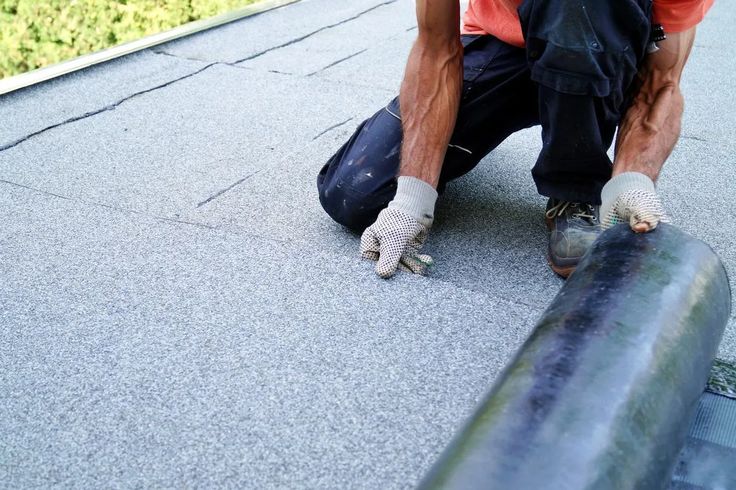
Regardless of the system chosen, the waterproofing process usually starts with complete cleaning of the terrace surface to remove dust, algae, debris, and old coatings, followed by opening and filling of cracks using polymer-modified mortar or PU sealant. A primer is then applied to ensure proper bonding, after which the waterproofing layer—membrane, liquid coating, or PU—is placed in multiple coats, sometimes reinforced with a fiber mesh for additional crack resistance. Finally, a protective topcoat or screed is added to improve durability, prevent UV damage, and withstand foot traffic.
A well-done waterproofing job can last anywhere from 5 to 20 years depending on the material used; acrylic coatings last around 5–7 years, APP membranes around 7–10 years, PU coatings around 8–12 years, cementitious systems about 5–8 years, while tile-based systems can protect a terrace for 12–20 years when maintained properly. Common mistakes such as applying waterproofing on unclean or wet surfaces, ignoring cracks, failing to create proper slope for drainage, using poor-quality materials, skipping recommended coats, or waterproofing only the terrace floor without treating parapet walls can all lead to early leakage and failure of the waterproofing system.
Choosing the right waterproofing method depends on factors like terrace usage, climate, budget, presence of tiles, expected lifespan, and whether the surface has many joints or cracks. Costs vary widely depending on the material and location, with liquid membranes usually costing ₹45–₹120 per sq. ft, APP membranes ₹70–₹150 per sq. ft, PU waterproofing ₹120–₹250 per sq. ft, cementitious coating ₹30–₹60 per sq. ft, and tile-based systems ₹150–₹350 per sq. ft. Popular and trusted waterproofing brands in India include Dr. Fixit, Asian Paints SmartCare, Fosroc, Sika, Berger Homeshield, and Bostik.
In simple terms, terrace waterproofing is not just a repair activity but a long-term investment that protects the home, prevents seepage, improves comfort, and ensures the structure remains strong and clean for years. If you’d like, I can rewrite this in an even more compact single long paragraph, or adjust it to be more promotional for your brand/website.